
When we talk about security in today’s world, what often comes to mind is a uniformed guard, stern eyes scanning a crowd, and maybe a metal detector at the door. But what if I told you real protection comes from something deeper than muscle and weapons? What if the strongest safeguard is empathy, emotional composure, and genuine human connection?
That’s precisely the philosophy behind Mayer Security Services. It’s not just a security company; it’s a different way of thinking about safety. Led by U.S. Marine veteran and founder Jason Essazay, Mayer is built on the idea that true resilience springs from calm, understanding presence, not aggressive posturing.
Here’s a look at how Mayer applies that approach to four key service areas: healthcare & hospital security, construction site security guards, workplace violence prevention, and commercial & industrial warehouse security. Each of these might sound typical on paper, but through Mayer’s lens, they become moments of connection, trust, clarity, and human dignity.
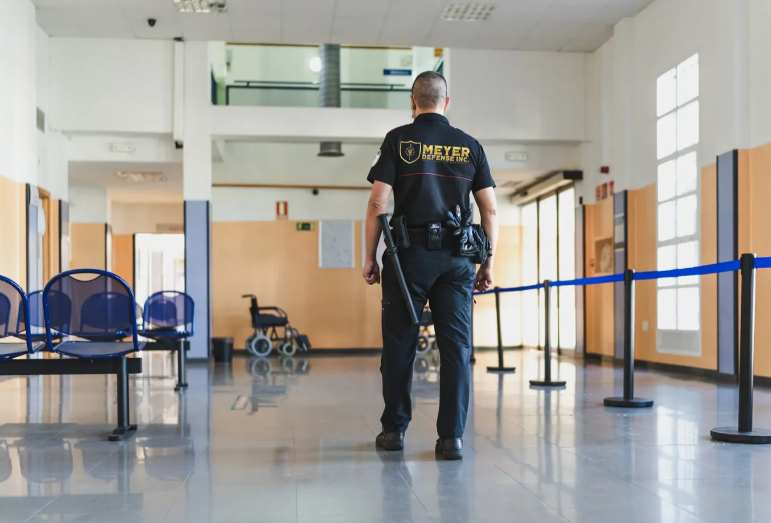
1. Healthcare and Hospital Security
It’s night shift in the hospital, fluorescent lights humming, someone rushing in with fear in their eyes, maybe a visitor, maybe a patient in crisis. The environment is charged. It’s loud. It’s urgent. Lives feel fragile.
In that moment, Mayer’s approach is different. Their guards don’t just stand at doors; they meet people. They listen. They observe quietly. They speak softly but confidently. Because in a medical facility, the stakes aren’t just about locking doors, they’re about human fragility, emotions on edge, moments of despair and hope.
Mayer’s training emphasizes that mental steadiness and emotional awareness matter. The guard who notices a slipping tone in a voice, or a family member whose posture screams, “I’m scared,” can intervene, not with force, but with presence.
Jason puts it simply: “Anyone can stand at a doorway. Our people are there to help others feel safe. That starts with emotional control. You need to understand what someone is going through before you can help them.”
What this means in practice: patience in the face of confusion, clarity in the middle of chaos, calmness when adrenaline hits. It’s “visible professionalism and invisible presence”—a guard you trust without feeling like you’re under siege.
In hospitals, where patients and families are vulnerable, it’s not what you see, it’s how you feel. And that’s why Mayer’s healthcare security works differently than the stereotype.
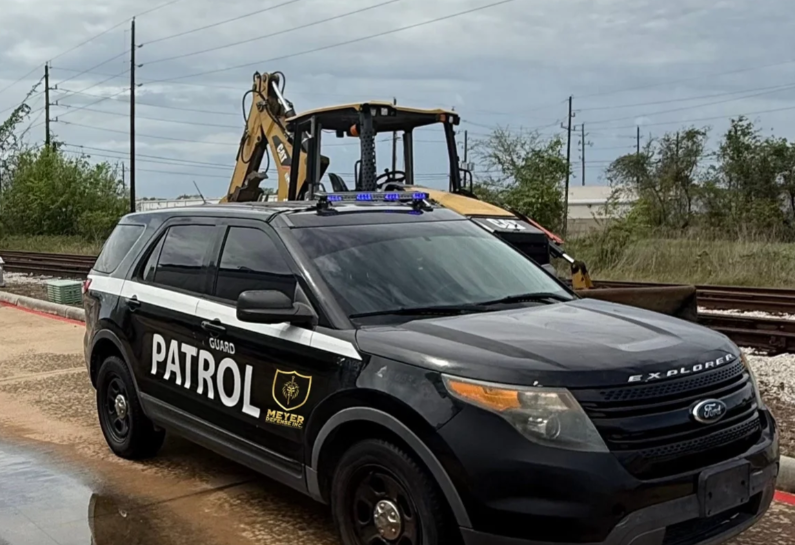
2. Construction Site Security Guard
Now shift environments. Imagine a vast construction site, heavy machinery, scaffolding, deliveries, crews arriving in the half-light, tools moving in silence or idling. Every piece of equipment is expensive. Every delay costs money. Every distraction invites risk.
Enter the Mayer guard. On paper, the job: patrol, check access, monitor equipment. But in practice, it’s about anticipating the unexpected and blending vigilance with empathy. Because a site isn’t just about concrete and steel, it’s about people: workers, subcontractors, supervisors, all under pressure to deliver.
Mayer doesn’t rely solely on brawn. They train their crews in situational mindfulness. They teach guards to scan not only for trespassers, but for tone shifts in meetings, for trucks arriving off-schedule, for workers looking fatigued. They’re guardians of process and people.
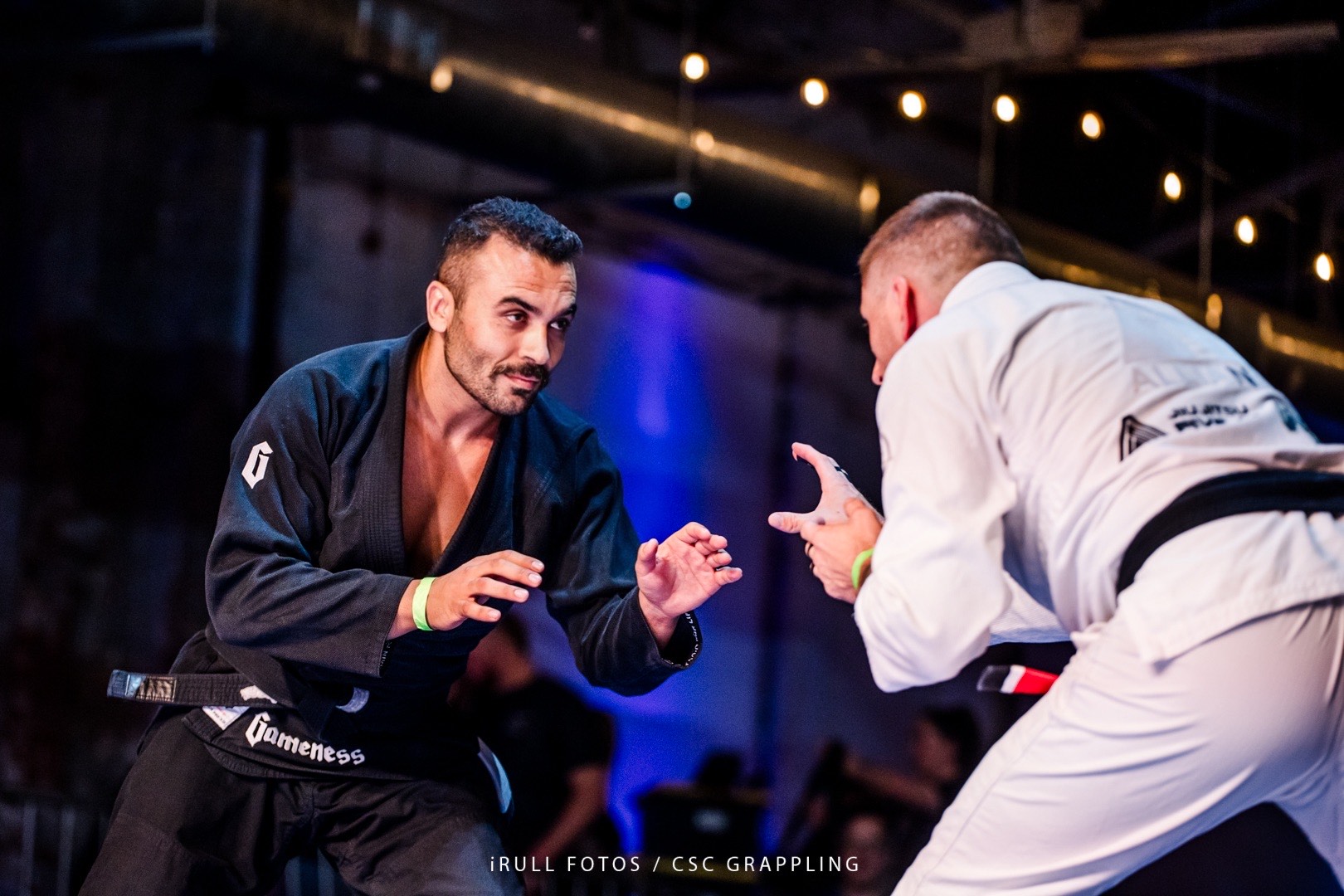
Jason’s military background gives structure; his Brazilian Jiu-Jitsu practice gives depth. On the mats, he learned to stay calm even when someone’s weight is bearing down on you. He learned to feel the opponent’s intent before they acted. That translates here, too: see the problem before it shows up.
Construction site clients say they get more than just “a body guarding space”, they get a partner in protecting assets and human rhythms. Equipment stays safe. Workers feel observed, not in a creepy way, but in a way that says: we’ve got your back.
3. Workplace Violence Prevention
This service is perhaps the most invisible of the four, and yet, it may be the most necessary. Workplace violence isn’t always high-visibility. It may begin as a hallway whisper, an offhand comment, a feeling of tension. By the time it escalates, reputations, people’s safety, and company integrity, all are at risk.
Here, Mayer’s human-first philosophy shines. Their approach: train to de-escalate, not dominate. Teach emotional intelligence, not just physical response. They don’t just post guards; they design programs and awareness campaigns.
Think of it like this: When emotions run high in a conference room, a guard who can sense the shift offers a calm voice, steps into the space with authority but respect, that’s a game changer. The guard who acts like a barrier becomes part of the problem. The guard who acts like a stabilizer becomes part of the solution.
Under Jason’s leadership, Mayer has built frameworks for early intervention, recognizing micro-signals (tone of voice, body language, tone shifts) and training staff and guards accordingly. Workplace violence prevention becomes less about crisis management and more about human-scale awareness.
So, a company engaging Mayer isn’t just buying “security”; they’re buying resilience culture. They are saying: we respect our people. We believe threats can be anticipated. And when something happens, we’ll respond with compassion, strength, and precision.
4. Commercial and Industrial (Warehouse) Security
Now return to bricks and steel, but shift the lens. Warehouses, industrial plants, commercial campuses: big spaces, many moving parts, high-value inventory, and often high-stakes deadlines. The kind of place where a small lapse cascades into a big loss.
Mayer treats these sites as micro-ecosystems of people, process, and property. The guards are not just spotters, they’re navigators. They learn the flow of deliveries, the rhythm of shifts, and the cadence of operations. They watch for someone who doesn’t fit the rhythm.
Because it’s not just about thieves or vandals, it might be internal: a mis-loaded pallet, a distracted forklift driver, a shift change that is poorly managed. And so, protection becomes orchestration.
Empathy comes in here as well: a guard walking the warehouse floor notices a worker exhausted, halfway out of protocol; the guard pauses, offers a check, and helps right the flow. That small moment may prevent a mishap and signal to the workforce: “We see you.” That feeling, “we’ve got you”, changes the dynamic from “security” to “stewardship.”
Jason once said, “Most of what people call confidence is really familiarity with stress.” At Mayer, that means: train the body, yes, but train the mind. Because when a warehouse electrical panel catches smoke in the corner, the guard who’s breathing steady is the one who makes a clear decision.
Why Mayer Stands Out
Let’s zoom out for a moment. What makes Mayer different, what gives it that life, that human pulse, that sense of above-and-beyond?
- Veteran-owned leadership. Jason Essazay’s U.S. Marine background sets a tone: discipline, accountability, attention to detail.
- Empathy at the heart. This isn’t just a tag line, they live it. Stability under pressure, focus under chaos, calm as a decision-making tool.
- Training rooted in experience and nuance. Jason’s practice of Brazilian Jiu-Jitsu is more than a hobby, it’s a metaphor and a practice ground. On the mats, you learn to be controlled, aware, and respectful. That training shapes how Mayer’s team behaves when real pressure hits.
- Human-forward mindset. Whether in a hospital corridor or a warehouse bay, Mayer guards aren’t faceless. They’re present. They bring composure and recognition that people matter.
- Varied specialized sectors. From healthcare to industrial to workplace violence prevention to luxury estates, Mayer covers wide ground with tailored care.
- Credibility and trust. Veteran-owned, accredited, with a reputation for reliability. For example, the Better Business Bureau lists Mayer as accredited with an A rating.
Why It Matters Now
In a world of rising complexity, whether in healthcare, industrial, corporate, or retail settings, traditional security simply isn’t enough. The threats, the environments, and the moods have changed. It’s less “guard the gate” and more “guard the environment, and the people within it.”
- Healthcare facilities face increasing incidents of agitation, patient outbursts, and family distress. Security must be part caregiving and part safe-space.
- Construction and industrial sites operate in high-cost, fast-paced environments where downtime equates to dollars lost and safety is non-negotiable.
- Workplace violence is a major concern, physical, verbal, and emotional. Prevention means training the mindset before a crisis.
- Commercial/warehouse sites are hubs of high-value assets, hundreds of people, and complex traffic. The margin for error is slim.
Mayer’s approach meets this modern context. Instead of defaulting to “force,” they emphasize “understanding.” Instead of standing aloof, they stand alongside. They recognize that safety isn’t just about weapons and walls, it’s about trust, clarity, and presence.
The Unexpected Edge
What you might not expect when you hear “security company”:
- A guard doing breathing exercises before shift change, yes, that happens here. The discipline of Jiu-Jitsu and maritime-cadence drills translates into mental poise.
- A morning briefing where you talk about sleep, wellness, mindfulness, not just keypads and logs. Mayer’s culture emphasizes that guards are humans too, and their readiness depends on physical and mental health.
- A guard walking the clinic corridor and pausing to ask a nurse if they need anything, not because it’s in the job description, but because “human connection makes everyone safer.”
- Access control is not just about badges, but about dignity, ensuring visitors are greeted, understood, and respected.
- An industrial site being monitored not just for theft, but for exhaustion, mis-alignment, worker fatigue, the kind of deep observation that prevents accidents and builds community.
In short, Mayer’s work feels more like professional stewardship than traditional guarding.

For the Client Who Cares
If you are someone who thinks: “Okay, I need security, but I want more than just a guard with a flashlight,” then Mayer might be the right fit. If you run a medical facility, you know the guard will face families in tears. If you run a construction site and you know that downtime bites. If your workplace has tens or hundreds of people, and you believe prevention is better than reaction. If your warehouse is a hub of activity and you want a presence that supports rather than polices.
You want a partner who understands the nuance. Who believes that protection isn’t just about stopping the bad, it’s about supporting the people who are doing the good. That’s the mindset at Mayer.
A New Era of Safety Dawns
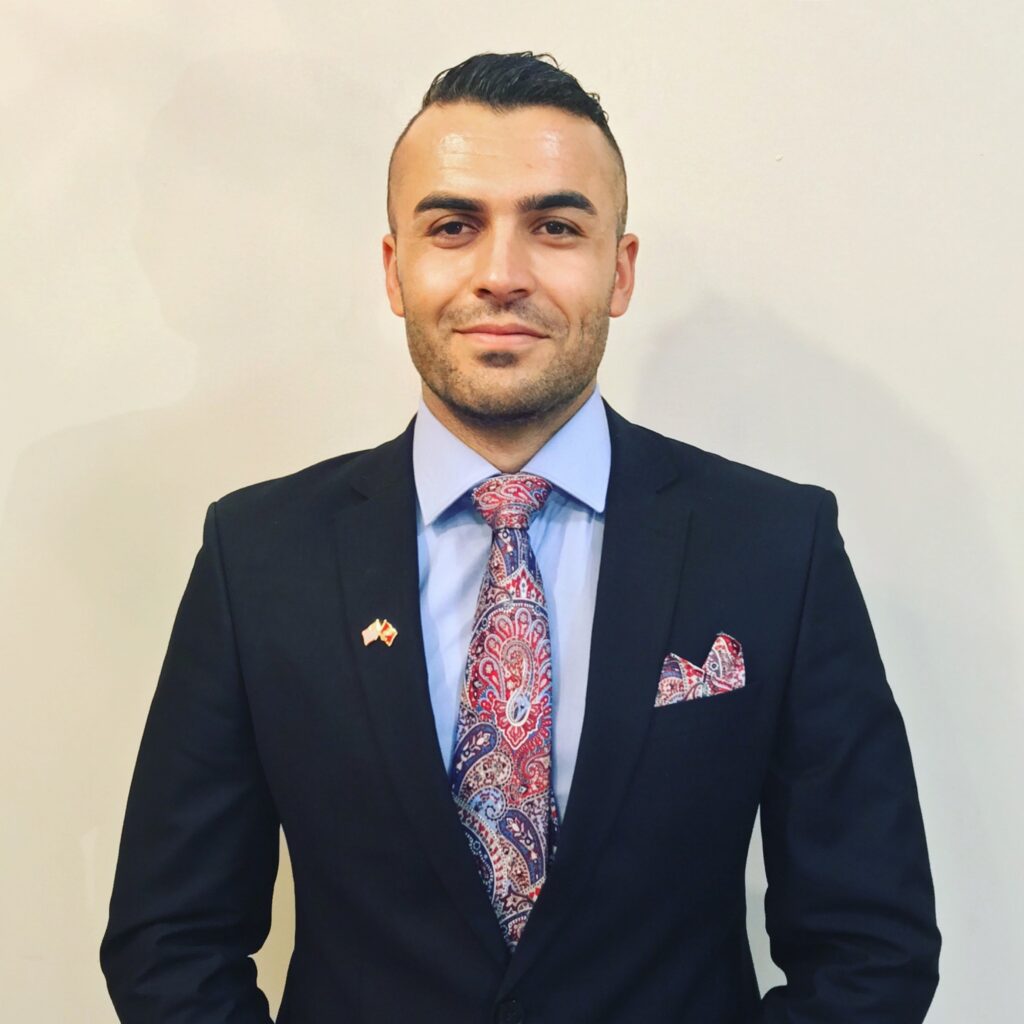
“Security isn’t about control,” Jason says. “It’s about connection. You can’t protect people if you don’t understand them.” That phrase sums up everything.
At Mayer Security Services, you’ll find disciplined professionals grounded in military experience, refined by martial-arts poise, and driven by the belief that empathy is strength. They operate not to dominate, but to support. They are not just guards, they are guardians of the environment, the people, the moment.
Whether it’s a hospital, a warehouse, a construction site, or an office filled with human energy, you deserve security that tunes into the rhythms of life, sees the people inside the building, knows their needs, and anticipates the unexpected.
In a world where so much can feel mechanical and locked down, Mayer reminds us: safety works better when it’s built on human understanding and thoughtful presence. After all, the strongest protection isn’t about shouting, it’s about staying calm. And the calmest people are the ones who protect the rest of us best.