

At one point, bread seemed easy. It was warm and inviting, sitting in the middle of the table, ready to be torn, toasted, and shared. Then, at some point, it got hard. People became anti- carbs. People began to fear the repercussions of eating gluten. “White” came to mean “empty.” And all of a sudden, going for a slice felt like admitting to a diet.
Many families have silently set bread aside for years. They traded it for thick replacements that broke under pressure or gave it up completely. It was reasonable for them to be hesitant. Most loaves on store shelves are made with flour that has been thoroughly refined to remove the bran and germ, leaving behind mostly starch.
But what if the problem wasn’t the bread itself? What if the problem was really what industrial processing did to the wheat?
That’s where Community Grains comes in, not as a fad or a sentimental throwback, but as a real remedy to a very modern need. Milled whole. Tasty. Organic. It seems unfair that something so tasty can also be so good for you. It’s too bad that they taste so good.
The Grain You Left Behind
In the US, grains are the main part of the diet. About 72% of the grain that Americans eat is wheat. But around 90% of that wheat is processed. When industrial roller mills remove the bran and germ, the wheat kernel loses fiber, vitamin E, B vitamins, magnesium, zinc, copper, and phenolic acids, which are thought to have antioxidant and anti-inflammatory effects.
Most of what is left is starch.
Whole-grain wheat that has been stone-milled keeps the full kernel, including the bran, germ, and endosperm, in their natural proportions. That is important. Not just for nourishment, but also for taste. Those upper layers give the real whole grain its rich flavor. It tastes like nuts.
One of the easiest and most important improvements a person can make to their diet is to switch from refined flour to real whole-grain wheat. No need for an elimination plan. No extra things. Just better bread.
But labels can be wrong. A lot of foods that say “whole grain” don’t have as much whole grain as people think they do. The brand makes a clear distinction between marketing jargon and real ethics.
Trust Grows with Openness
The company started in Oakland, California, with a bold idea: grain should have the same quality revolution that changed meat, dairy, and produce.
Michael Pollan, a food writer, famously said that the local-artisan movement made vegetables and meats better, but grain, which is important to farming, stayed the same.
What did the brand do?
The 23 Points of Identity system they use follows the wheat from seed to table. Customers can enter a batch number to get complete information on the grain type, the farmer, the soil preparation, and the milling process. It’s not just possible to find it; it’s also possible to hold it accountable.
Their boast that they are 100% whole grain is not just for show. UCSF did a biochemical analysis to prove it. In the grain industry, such a level of paperwork is uncommon.
The message is clear: you shouldn’t have to trust without question. You should get answers.
The Soil is What Gives Food its Flavor
Healthy soil isn’t just a marketing ploy; it’s a real science. Wheat has more phytochemicals when farmers use composting and cover cropping and avoid synthetic fertilizers to build soil organic matter.
Phenolic acids, which are mostly found in the outer layers of the kernel, provide food with its nutritional value and flavor. Those compounds do well when wheat is grown in nutrient-rich soil and managed in a way that allows it to regenerate.
What happened? Bread that tastes fuller. More deeply. Toast that smells like toasted grain, not like something else.
In this case, flavor and nourishment are not independent things. They are the results of the same choice: to care for the soil.
The Movement’s Vision
Bob Klein is in charge, and his past is as complicated as a loaf of bread that has been left to rise. Before starting Community Grains, he co-owned Oliveto Café and Restaurant in Oakland, a well-known farm-to-table restaurant specializing in Italian cooking.
He worked in television production for decades before becoming famous. He won a DuPont Columbia Award and several Emmy Awards. Long before grain came around, he was already good at talking to people, telling stories, and being open.
His major query is still, “What’s good?”
In a food system full of claims, jargon, and chosen truths, it’s both easy and radical to ask what is really good, from the soil to the food itself.
The Kind of Bread That Feels Like Home
Some breads are just bread. This one tells a story.
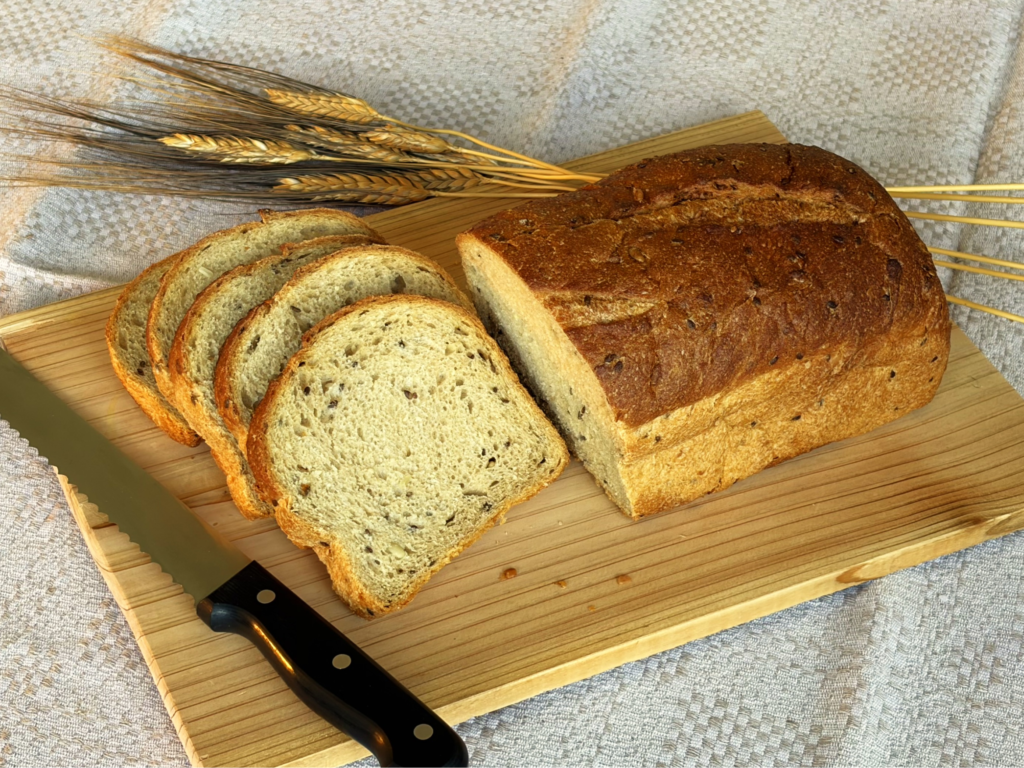
The Seeded Sandwich Bread begins long before it reaches your kitchen, in the fields of Capay Valley, California, where farmer Fritz Durst grows organic wheat with deep care for the land. Every loaf comes from wheat that is fully traceable from seed to table, a promise we call Identity Preserved. It means the grain in your bread isn’t anonymous; you know exactly where it came from and who grew it.
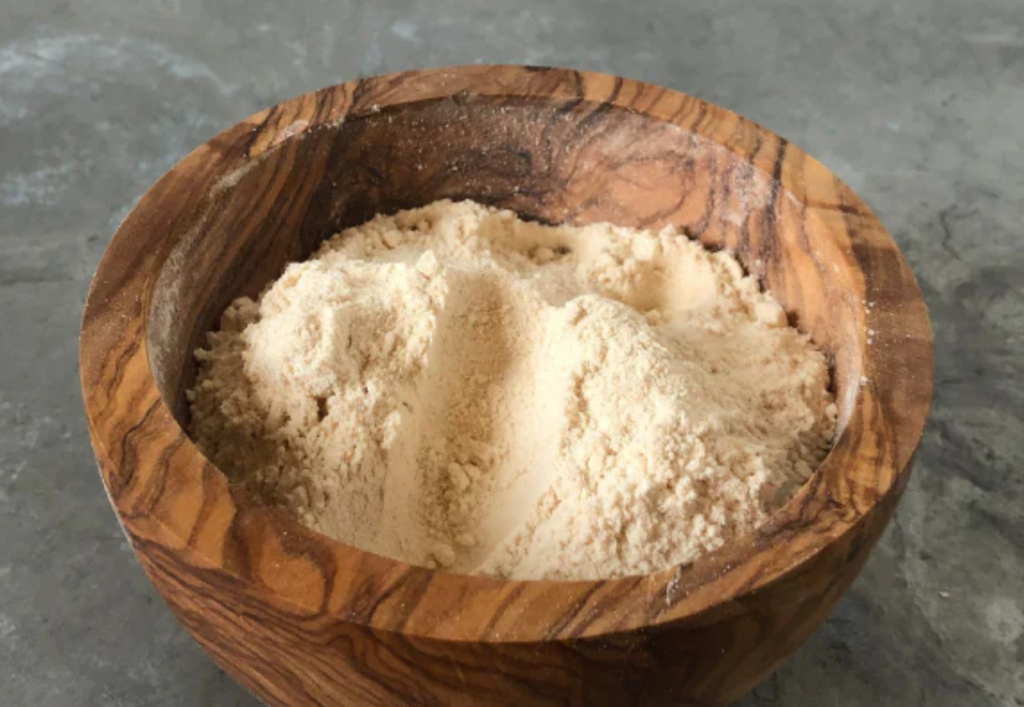
The flour is stone-milled whole grain, blending Hard Red and Hard White wheat to create a bread that is hearty yet balanced. Nothing is stripped away. Every part of the grain is kept intact, bringing natural flavor, nourishment, and a depth that refined flour simply can’t offer.
The company takes its time with this bread. The dough is slow-fermented for over 12 hours using a natural sourdough starter, allowing the flavors to deepen and the texture to develop into a beautifully structured crumb. This slow fermentation also makes the bread gentler on digestion, the way traditional bread was always meant to be.
Then they add a simple but satisfying trio of seeds, sesame, brown flax, and sunflower, giving every slice a subtle crunch and nutty flavor that makes a sandwich feel special and toast feel complete.
To ensure you experience the bread at its best, each loaf is par-baked and rapidly frozen. When it arrives, it’s almost finished, just waiting for you to slide it into the oven and bring it to life. In a matter of minutes, your kitchen fills with the warm, comforting aroma of freshly baked bread.
The result is an everyday loaf that feels anything but ordinary.
It’s the bread you toast in the morning with butter melting into the seeds.
The bread that holds together a perfect sandwich at lunch.
And the bread you tear into at dinner while it’s still warm from the oven.
Simple ingredients. Honest grain. Real flavor.
Just bread, the way it should be.
Changing the Texture Without Losing Quality
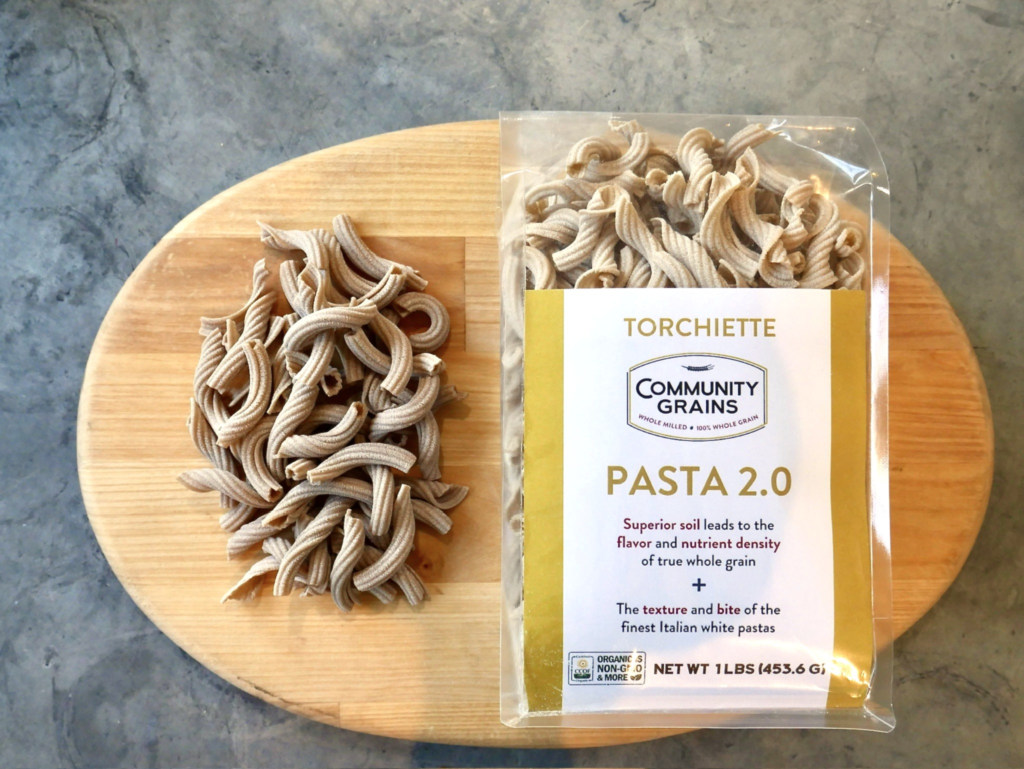
Then there’s Organic Torchiette Pasta 2.0, which discreetly goes against everything people think they know about whole-grain pasta.
It is made with 100% Tiburon Hard Amber Durum wheat, cultivated naturally in Capay, California. It is cut with bronze dies and processed whole. The texture is solid, pleasant, and well-structured, like the bite of refined white pasta, yet it retains its nutritional value.
People typically think that whole-grain pasta is heavy. This one doesn’t. It holds sauce quite well. It cooks evenly. It feels like it was meant to happen.
The concept is simple: better soil and exact milling equal great texture.
Not preserved, but parbaked.
There is a brief window when fresh bread is at its best. Community Grains doesn’t add preservatives to its bread to extend its shelf life. Instead, they sell parbaked bread that you may finish at home.
The idea is beautiful. The building is finished, but you have to bake it in your oven. The first mouthful is warm and smells good.
It’s a simple change that makes a big difference in taste.
Whole Grains and Health, More Than Just Fiber
Yes, whole grains include fiber, but they also have magnesium, zinc, copper, and a range of other minerals that processed wheat doesn’t have. Research shows that eating whole grains can help your metabolism, keep your blood sugar levels stable, and improve your heart health.
True whole grains help with digestion, keep cholesterol levels in check, and may lower the risk of long-term problems.
The change is less about limiting and more about bringing back.
Celebrating Grain Again
A hundred years ago, different kinds of grain had their own personalities. The taste was affected by the soil, the weather, and the way the crops were grown. In the name of consistency, industrialization eliminated that diversity.
Community Grains is bringing back that lost individuality by reuniting the seed, soil, mill, and kitchen. Their work with farmers focuses on practices that help the environment and on working together as equals.
The goal isn’t to feel nostalgic. Its strength. A localized grain economy improves both the health of the environment and the well-being of the community.
Milled whole. Tasty and organic. It seems almost rebellious how simple it is.
Three Important Questions About the Brand and Its Products
1. What Sets Community Grains Apart from Other Whole-Grain Brands?
They promise 100% whole grain, as proven by a biochemical study, and their 23 Points of Identity approach provides full transparency by following wheat from seed to table.
2. What Does “Par-Baked” Mean?
Par-baked means the bread has been partially baked and then rapidly frozen. This allows you to finish baking it at home so you can enjoy the fresh-from-the-oven taste, aroma, and crust.
3. What is it About Organic Torchiette Pasta 2.0 That Makes it Special?
It is made from organic, identity-preserved durum wheat, whole-milled, and cut with a bronze die. It gets a refined-style texture while keeping all of the whole grain’s nutrients.

The Whole Picture
The organic food movement changed the way people thought about meat and vegetables. Grain was behind. Now, that change is starting to affect wheat.
Community Grains is a rare example of how to combine honesty and enjoyment in everything from taking care of the soil to verifying scientific claims to keeping your identity safe to baking with flavor first.
Bread has never been a foe.
Maybe the grain we threw away was the boost we needed all along.
And we have to agree, it is a shame that it tastes so nice.