


There are many people all over the world living with eczema. The ghastly rash-like affliction is predictable but, in the same breath, uncontrollable. It begins with a patch of skin that feels tighter than usual. It won’t be long, and the itch will begin. It starts off subtle, but it’s persistent. You scratch, but that only offers temporary relief. If you suffer from eczema, you will know the signs, and you will also know that what happens the next day will be worse. Your skin becomes inflamed, tender to touch, and yes, still itchy.
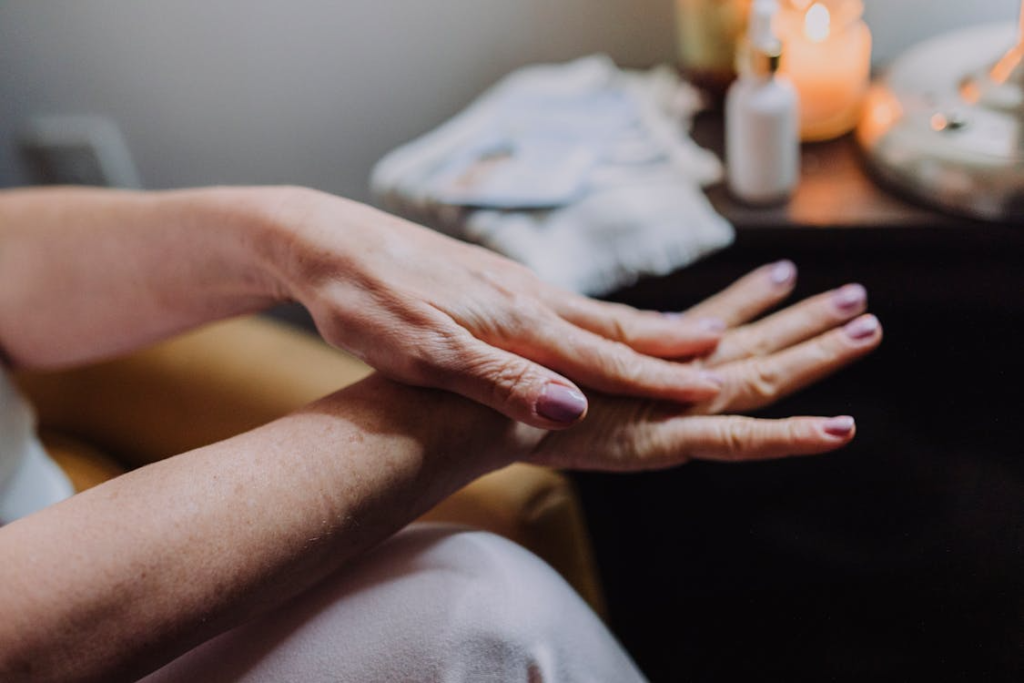
Eczema, clinically speaking, can be referred to as a barrier dysfunction, inflammation, or an immune response, but for those who have to live with it, it becomes a personal battle. It may sound silly to say that a “rash” affects your life, but if you suffer from the affliction, you will surely agree. Your sleep is disrupted by bouts of itching and scratching, and later, the pain and tenderness of skin now raw. What you wear is a strategic move to mask the dry patches or red welts and also to avoid any kind of fabric that may cause further irritation. You become self-conscious in social settings, especially if your flare-up is on parts of the body that are visible: neck, hands, behind your knees, on the inside of your elbows, on your wrists, or even your face.
Over time, eczema becomes more than a condition. It becomes a pattern that shapes routines, habits, and even emotional well-being.
The Cycle That Keeps Repeating
At the center of eczema lies what dermatologists refer to as the itch–scratch–inflammation cycle. If you are an eczema sufferer, your skin is more vulnerable than that of non-sufferers. The protective barrier of the skin, which is designed to retain moisture and repel irritants, is compromised. Anything can cause inflammation to flare: allergens, environmental triggers, and even stress. It is this inflammation that activates the nerve endings in the skin to produce the itching sensation. Instinct is to scratch, and while it may be satisfying at the time, it is effectively causing more itching. The skin barrier is already weakened, and scratching worsens this, causing more inflammation and, in turn, more itching. And so, the cycle continues.
The biggest challenge in eczema care is trying to break the loop. There are treatments available, but they are only temporary fixes. Moisturizers restore hydration, and topical steroids reduce inflammation, but they don’t last long, and the cycle begins again.
Looking Beneath the Surface
The skin is not just a physical barrier. It is a living ecosystem for billions of microorganisms that coexist in a delicate balance. These microbes, bacteria, fungi, and viruses play a crucial role. They protect the skin, support immune function, and maintain overall health.
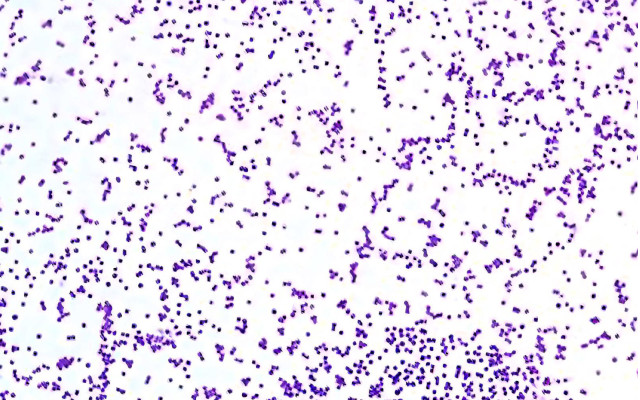
A bacterium, Staph aureus, is found on many people’s skin, but in people with eczema, it is found in elevated amounts.
When Bacteria Fuel the Fire
Staph aureus actively contributes to the worsening of eczema symptoms. The toxins and inflammatory compounds it releases interact with the immune system, causing an intense response from the body. It is those very responses that increase the redness, swelling, and irritation you feel. You scratch to relieve the itch. Through all this, the skin barrier is further damaged, microscopic cracks form in the skin, and it becomes easier for the bacteria to inhabit the skin and thrive. And so, the loop continues.
A Shift Toward Precision
In the past, treatments for eczema were focused on calming the inflammation and repairing the skin’s barrier. Nothing addressed the underlying issue. Treatments were reactive rather than preventative.
What if it were possible to reduce harmful bacteria without disturbing the beneficial ones? What if treatment could focus not just on suppressing symptoms, but on addressing one of the root causes of flare-ups?
This line of thinking and questions like this raised are what have led to the development and progress of more precise approaches aimed at restoring balance. One of these involves specialized enzymes called lysins. Lysins occur naturally in certain biological systems. They break down specific bacterial cell walls with the greatest precision. They differ from antibiotics in that they can be engineered to target specific bacteria.
From Research to Application
Using this knowledge and building on it, a group of scientists developed an enzyme called TPZ-01. It is designed to minimize the presence of Staph aureus on the skin. The enzyme has become the main ingredient in a new category of topical treatments that soothe the skin as they reduce the bacterial presence that causes the flare-ups.
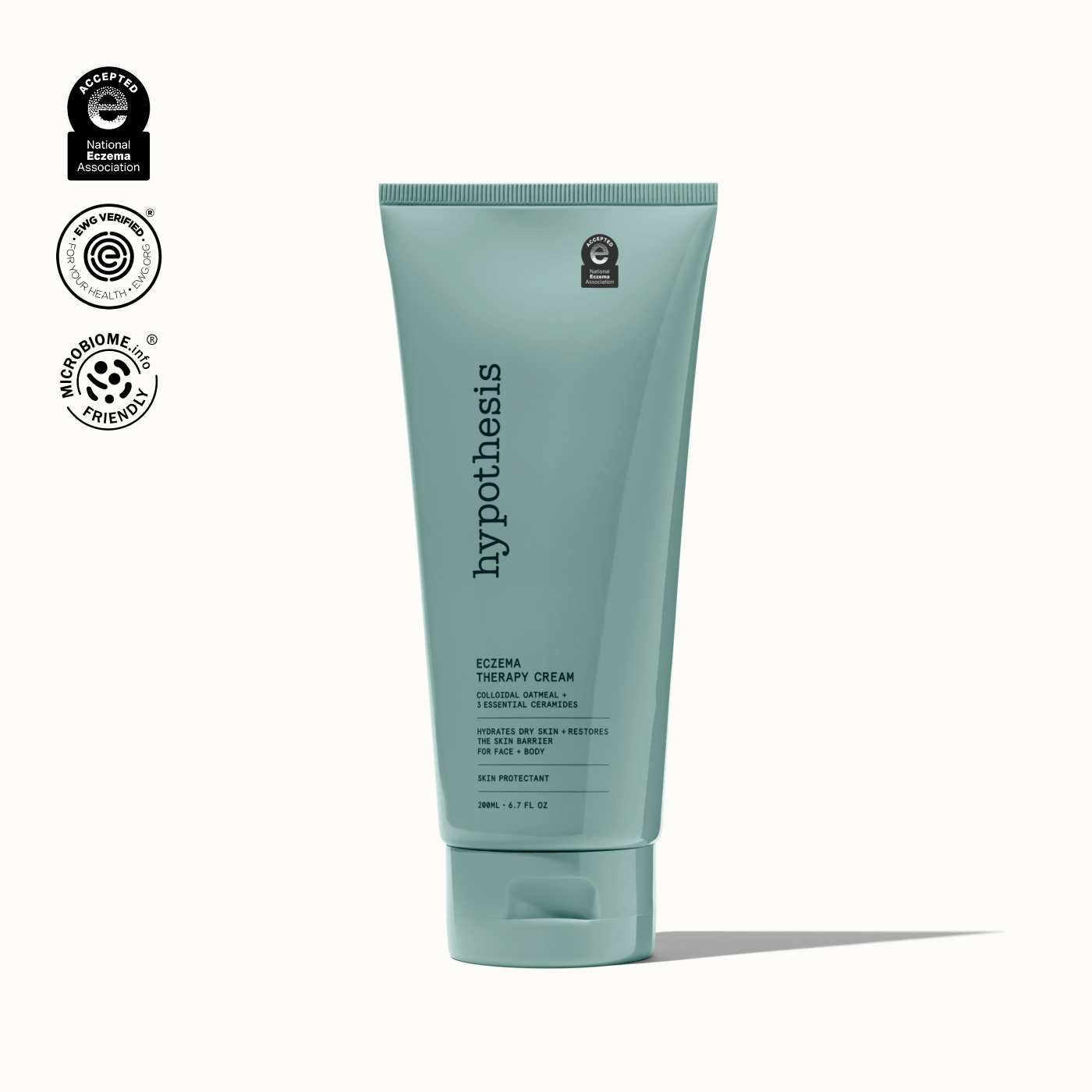
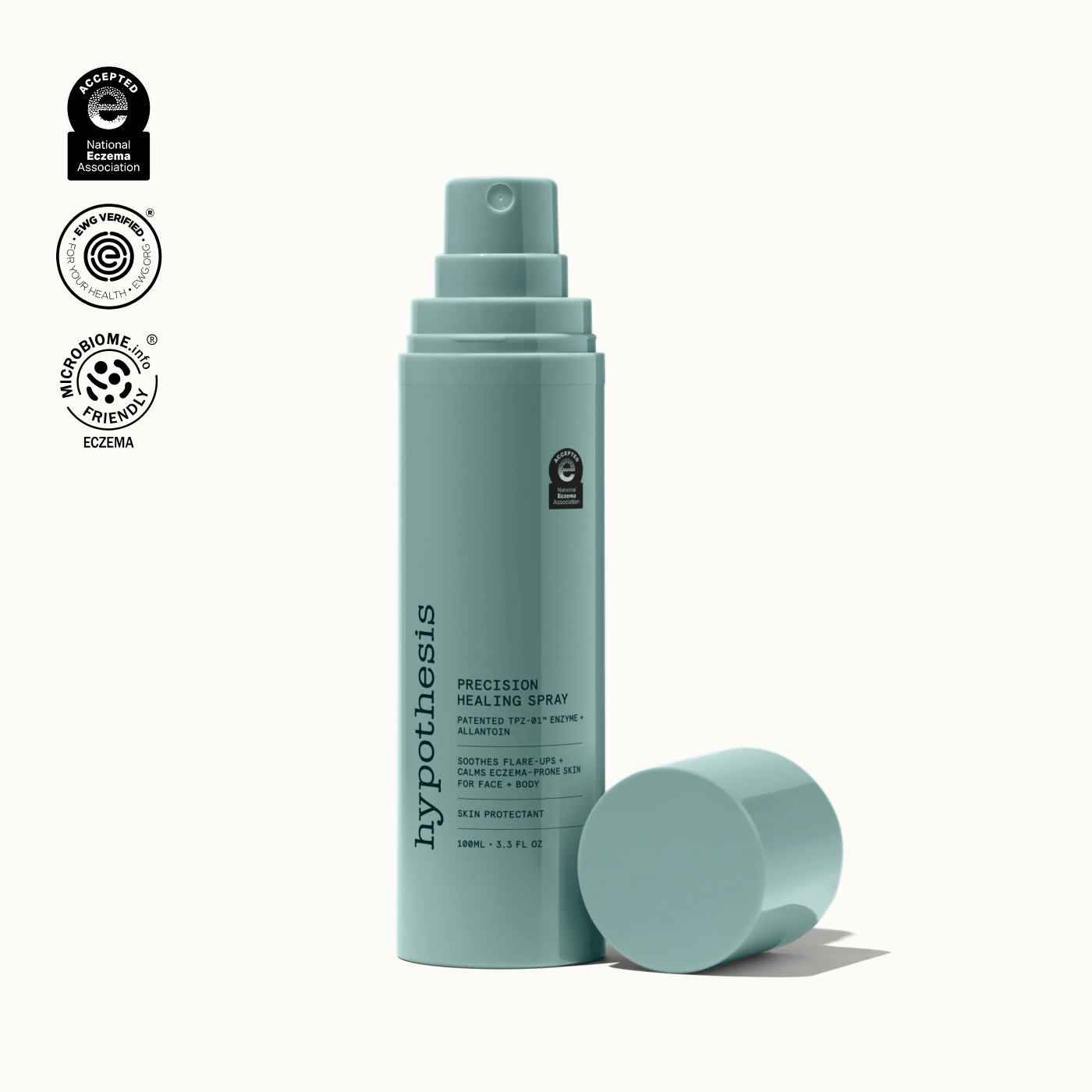
Products such as Eczema Therapy Cream and Precision Healing Spray from Hypothesis Skincare reflect this shift in thinking. Rather than relying solely on hydration or anti-inflammatory effects, they introduce a mechanism aimed at rebalancing the skin microbiome.

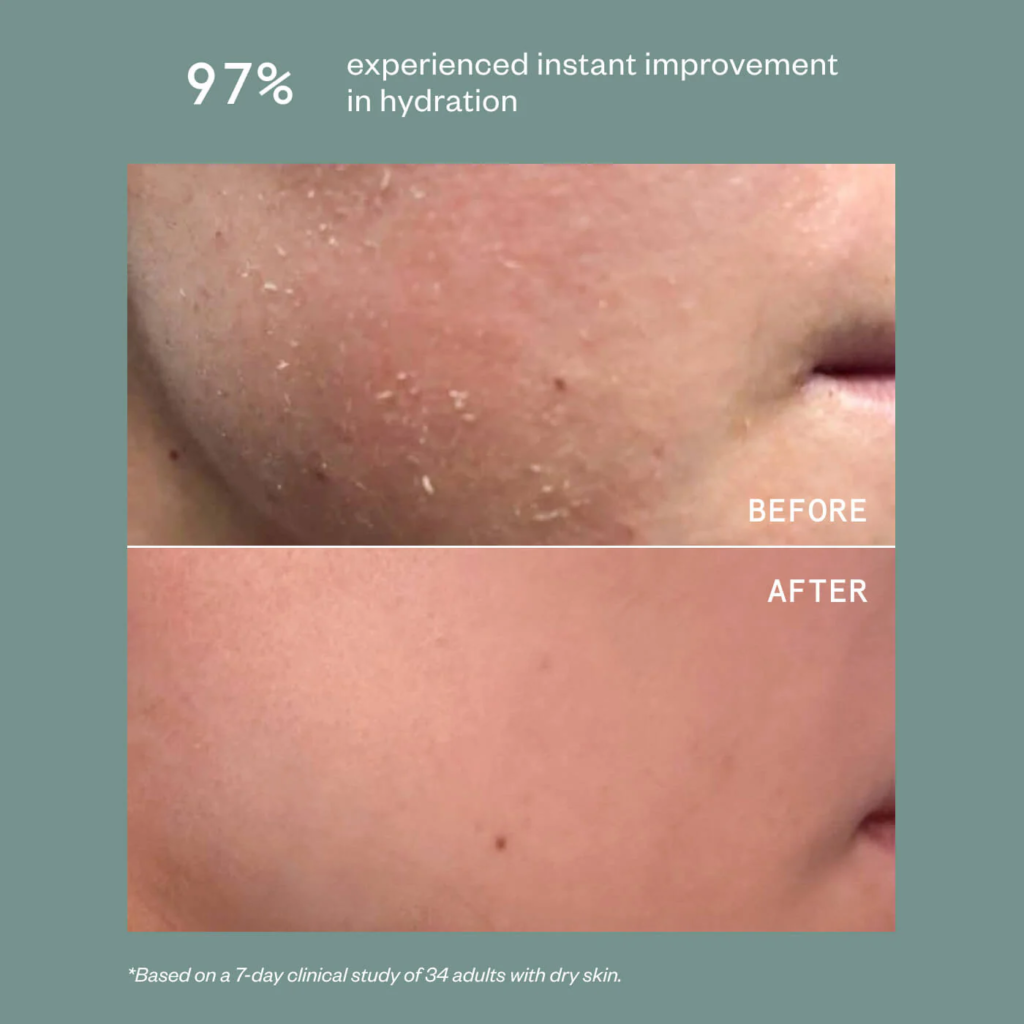
In clinical testing, this approach has shown promising results. Participants using a hydrogel formulation containing the enzyme saw phenomenal improvement in how severely their eczema flare-up affected them. Redness and itchiness subsided, and further testing revealed that Staph aureus levels on the skin had decreased.
For anyone suffering from eczema, these results are a light in the darkness. There was a chance they could finally break the loop once and for all.
Looking Ahead
Maybe the future of eczema care isn’t about doing more, it’s about doing things differently. Instead of constantly trying to fight the skin, there’s a growing understanding that it needs support. That means looking at what’s happening beneath the surface, especially when it comes to the skin’s natural balance.
Products like the Eczema Therapy Cream and the Precision Healing Spray from Hypothesis Skincare are part of this shift. They’re designed to work with the skin, not against it, helping to calm flare-ups while supporting a healthier environment over time.
For people living with eczema, that idea feels important. Because it’s not just about getting through the next flare-up. It’s about finding something that helps the skin feel a little more stable, a little more manageable, day by day. And maybe, over time, that’s what real relief starts to look like.