

In the world of modern food, we have become so interested in the farmer, the butcher, and where our coffee beans come from. But when it comes to that fin in a can that hides at the very back of your pantry, that interest seems to dissolve. Most fish brands you see all over social media are bought from a wholesaler, shipped around the world, and then given that pretty label that gets everyone’s attention.
A 2019 study by Oceana found that about 20% of seafood samples that are tested worldwide are mislabeled. This is where Wildfish Cannery comes into play. Situated in Klawock, Alaska, the company is doing things differently. This brand doesn’t outsource or use co-packers. This is a brand that remains in a tiny fishing village on Prince of Wales Island. This is a brand that works with their hands, and by doing so, they prove that if you are looking for a premium product, you are likely to have to make it yourself.
The Heart of Wildfish Cannery
If you want to understand the brand, you need to understand Klawock first. This is a small community in Southeast Alaska. This is the kind of place where the local activities usually involve a boat. This is also the site of Alaska’s first-ever cannery, which opened in 1878. For many years, the industry has been focused on volume. It was focused on catching millions of salmon, putting them in cans, and then selling them at the lowest possible price. But for the people in Tlingit, Alaska, to understand that the fish found in these waters is anything but cheap. These fish are a resource that needs to be respected.
This is not a brand that wants to feed everyone; instead, they are trying to prove to the world that when you treat a tin of salmon with respect, you get a different result than if you focus on its shelf stability. The company is a multi-generational family legacy that started with Grandma Phyllis. She opened a smokehouse that could sustain her community. Her son, Greg, then transformed the local service into a cannery. Today, Phyllis’s grandson takes charge of this business. He perfectly blends high-end culinary expertise with a commitment to tradition.
From King to Coho
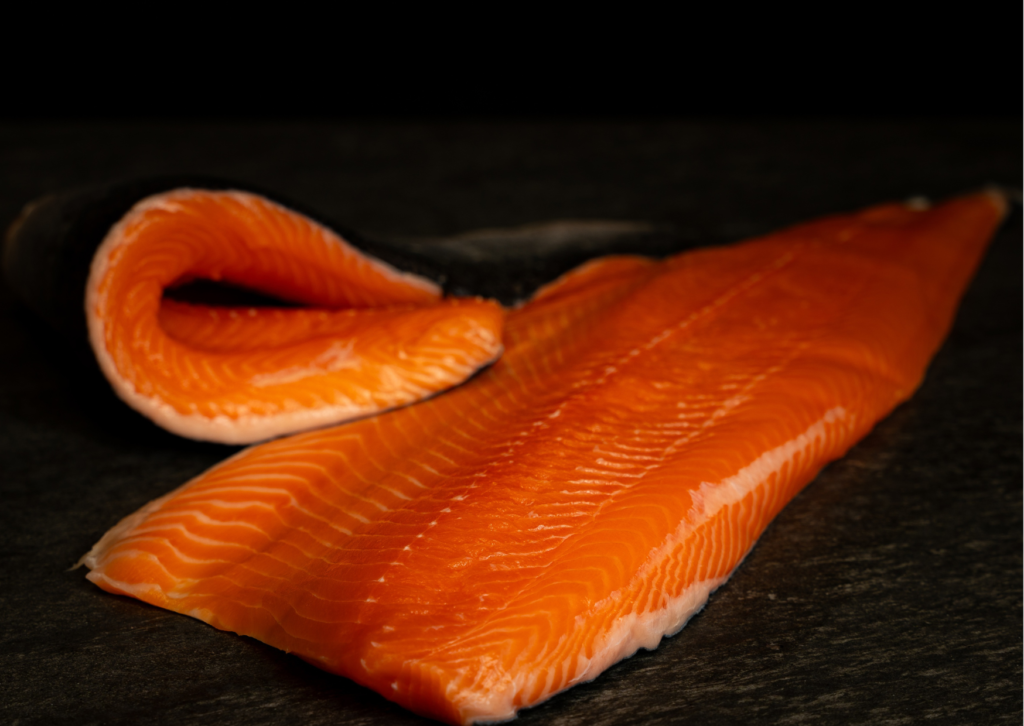
The company focuses on natural flavors rather than hiding behind sauces and oils. Their Smoked King Salmon and Smoked Coho Salmon are clear examples of this.
Smoked King Salmon
- King Salmon is known as the largest and highest-fat species that lives in the Pacific.
- Every fin contains no filler or added oils. This means the liquid you find in the tin is 100% natural, rendered fat from the fish itself.
- Your average supermarket brands are mushy and soft in texture. Wildfish Smoked King Salmon is succulent, buttery, and firm.
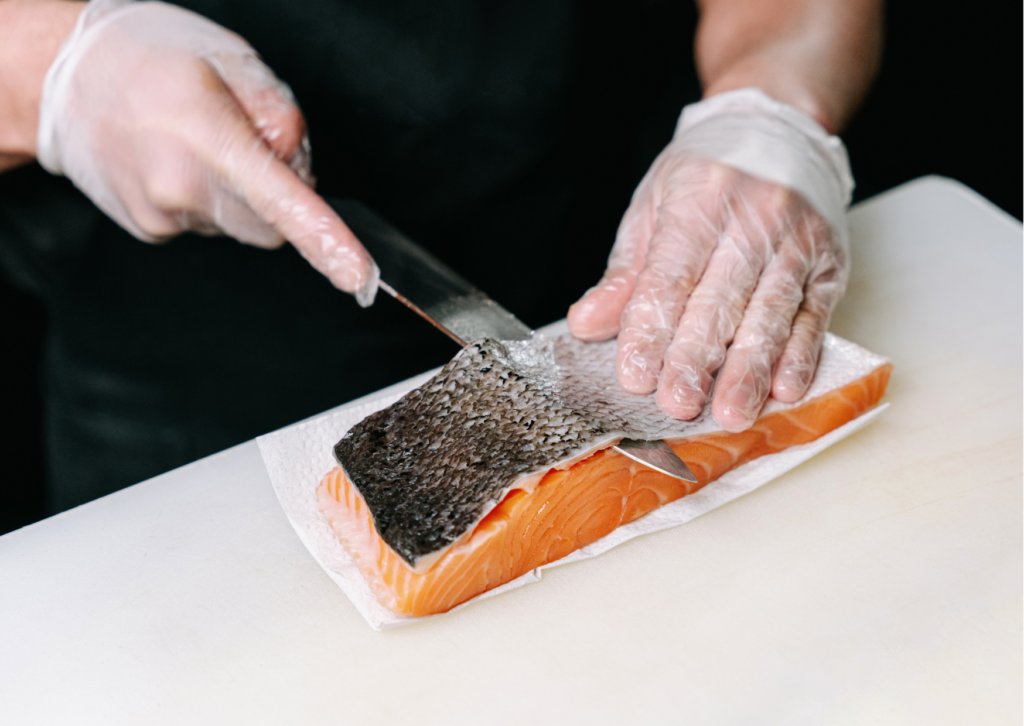
- Each fillet is sliced by hand and smoked in small batches, ensuring the integrity of flavor and quality.
- The fish is preserved at its peak flavor. This means that it maintains the structure of a real fillet rather than a paste.
Smoked Coho Salmon
- This product has a cleaner and more classic salmon flavor.
- This is a more active fish, which means it has a much lower fat content. This means that it offers a balanced profile.
- The smoking process requires a delicate touch to avoid overcooking. This is due to the lean nature of this salmon. This process has been perfected by the Klawock team.
- This delivers a firm and satisfying texture.
- This product perfectly captures the essence of cold-water salmon, and it is refined with a smoky finish.
The Nutritional Benefits of Fresh Salmon
- This product is a source of EPA and DHA fatty acids. This helps to reduce inflammation, lower blood pressure, and support cardiovascular health.
- Lean protein contains all essential amino acids, which support muscle repair and metabolic function.
- The softened salmon bones are a bioavailable source of calcium.
- This is one of the few natural food sources that is rich in vitamin D and vitamin B12.
- This contains selenium, a powerful antioxidant that helps protect your cells and support thyroid function.
- The natural pigment is an antioxidant that supports skin health.
- Salmon is lower down on the food chain. This means they have much lower mercury levels, making them safer to consume regularly.
According to research published in Scientific Reports, wild-caught Pacific salmon have a higher fatty acid profile than farmed alternatives. The high-fat content in Wildfish King Salmon is rich in omega-3s, which a 2020 Harvard School of Public Health study has linked to a 13% lower risk of cardiovascular mortality.

Cutting Out The Middleman
I’m sure you’ve noticed the increase in colorful tins in your local grocery store. While it’s good that people are starting to notice that canned seafood can be gourmet, most of these products are the middlemen. These brands don’t actually contribute to the infrastructure of the fishing community. They tend to use co-packers and third-party factories that handle all of their dirty work.
It is like a breakthrough. They are one of the few brands that actually do all the labor themselves. By doing this they can ensure:
- Quality Control: Their products are the only items processed in their factory.
- Impact on the Community: They are actively creating jobs in Klawock. They support the local families, which keeps money flowing into the community.
The Hard Way is the Best Way
The team acknowledges that their process is much more difficult than the standard. It would definitely be easier to buy preprocessed fish and then focus on the marketing aspect of your product. But this is a brand that is out on the docks every day, interacting with local fishermen and trading cooked cans for the real deal, fresh fish. In a world riddled with outsourcing, Wildfish Cannery is a reminder that you don’t have to lose the soul of your brand just to scale up. When you eat their salmon, it’s about so much more than getting in your protein. This is about getting a taste of the Klawock salt air. This is about a brand that is refusing to compromise its quality by taking the easy way out.