


There is a particular kind of moment that sneaks up on people. It usually happens in a kitchen. Sometimes late at night. Sometimes, early in the morning, when the house is quiet, and the kettle is just beginning to boil. It’s the moment when someone reaches for bread, not because they’re hungry exactly, but because bread has always been there. Toast when you’re tired. A sandwich when you don’t want to think. Pizza when the day has taken everything else.
And then, suddenly, bread becomes complicated.
For people navigating blood sugar issues, metabolic health, or simply trying to feel better in their own bodies, bread often becomes the first thing questioned and the hardest thing to let go of. Not because it’s indulgent or glamorous, but because it’s familiar. Because it’s woven into routine. Because it feels like normal life.
That is the quiet space where Low Carb Food Co. seems to live.
Not loudly. Not trendily. But with a kind of grounded practicality that suggests someone has been exactly where their customers are standing, staring at a loaf of bread and wondering if this is really what has to go.
When a Lifestyle Change Isn’t a Trend, It’s a Necessity
Low-carb and keto lifestyles are often framed online as fads. Something you try for a month, post about, then quietly abandon. But that narrative ignores a large group of people for whom low-carb eating is not optional.
The story behind Low Carb Food Co. begins there.
The brand was founded out of personal necessity, not market research. After being diagnosed with type 2 diabetes, the founder was faced with a stark reality: continue living the same way, or radically change course. Quality of life had dwindled. Energy was low. The stakes were no longer abstract.
A low-carb lifestyle wasn’t chosen because it was fashionable; it was chosen because it worked. Blood sugar stabilized. Symptoms reversed. Life began to feel livable again, without the use of insulin.
But there was a problem. A surprisingly emotional one.
Bread.
Why Giving Up Bread Feels Bigger Than It Sounds
Most people don’t realize how much bread anchors their day until they try to remove it. It’s breakfast toast. It’s the sandwich you eat standing at the counter. It’s the base of family meals and quick fixes. Bread is convenience, comfort, and culture rolled into one.
When the founder of Low Carb Food Co. went searching for low-carb alternatives, what he found was disappointing. Products that claimed to be “low-carb” but were merely lower than standard loaves. Breads padded with fillers, preservatives, seed oils, and long ingredient lists that felt anything but health-focused. Textures that were rubbery. Flavors that missed the mark entirely.
And so, a quiet but ambitious idea took shape: what if low-carb bread didn’t have to feel like a sacrifice?
What if it could just feel like… bread?
A Small Bakery with a Very Specific Mission
Low Carb Food Co. is a small business based in North Wales, baking all of its products in its own bakery in Flint. That detail matters more than it might seem.
This isn’t mass-produced food shipped across continents. It’s carefully formulated, baked in-house, and designed with a very specific end user in mind: someone who needs low-carb food to work with their body, not against it.
The company’s mission is refreshingly clear. Reduce the friction. Make the switch to low-carb living smoother. Focus not just on carb counts, but on ingredient quality because what’s in the food matters just as much as what’s left out.
Less Than 2% Carbs, and Why That’s a Big Deal
One of the most striking things about Low Carb Food Co’s baked goods is their carb content. All products contain less than 2% carbs. That means fewer than 2g of carbs per 100g.
To put that into perspective, many products marketed as “low-carb” across the UK still sit around 5–7% carbs. That difference may sound small on paper, but for people managing diabetes or following a ketogenic diet, it’s significant.
These products are also high-protein, high-fiber, high-fat, and fully keto-compatible. Clients following a ketogenic diet have tested the products to track their ketone levels, with results showing that they did not kick them out of ketosis.
For anyone who has ever nervously tested blood sugar after a meal, or hesitated before eating something labelled “safe,” that kind of consistency matters.
Clean Ingredients, Short Labels, No Nonsense
Another quiet strength of Low Carb Food Co. lies in what they don’t use.
- No preservatives.
- No sweeteners.
- No fillers.
- No seed or palm oils.
Instead, the products are made with clean, high-quality ingredients and extra-virgin olive oil. The nutritional labels are intentionally short, reportedly among the shortest ingredient lists in their category.
In a world where “health food” often feels over-engineered, there is something reassuring about that simplicity.
The Loaf That Makes Breakfast Feel Normal Again
There is something deeply comforting about sliced bread. Not artisanal. Not fancy. Just sliced bread, ready when you are.
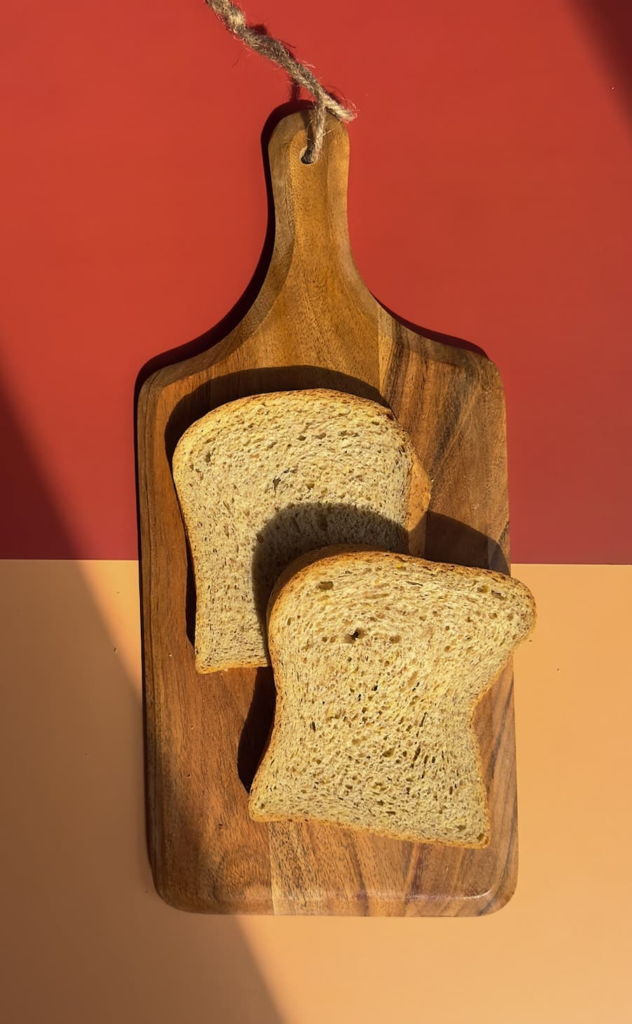
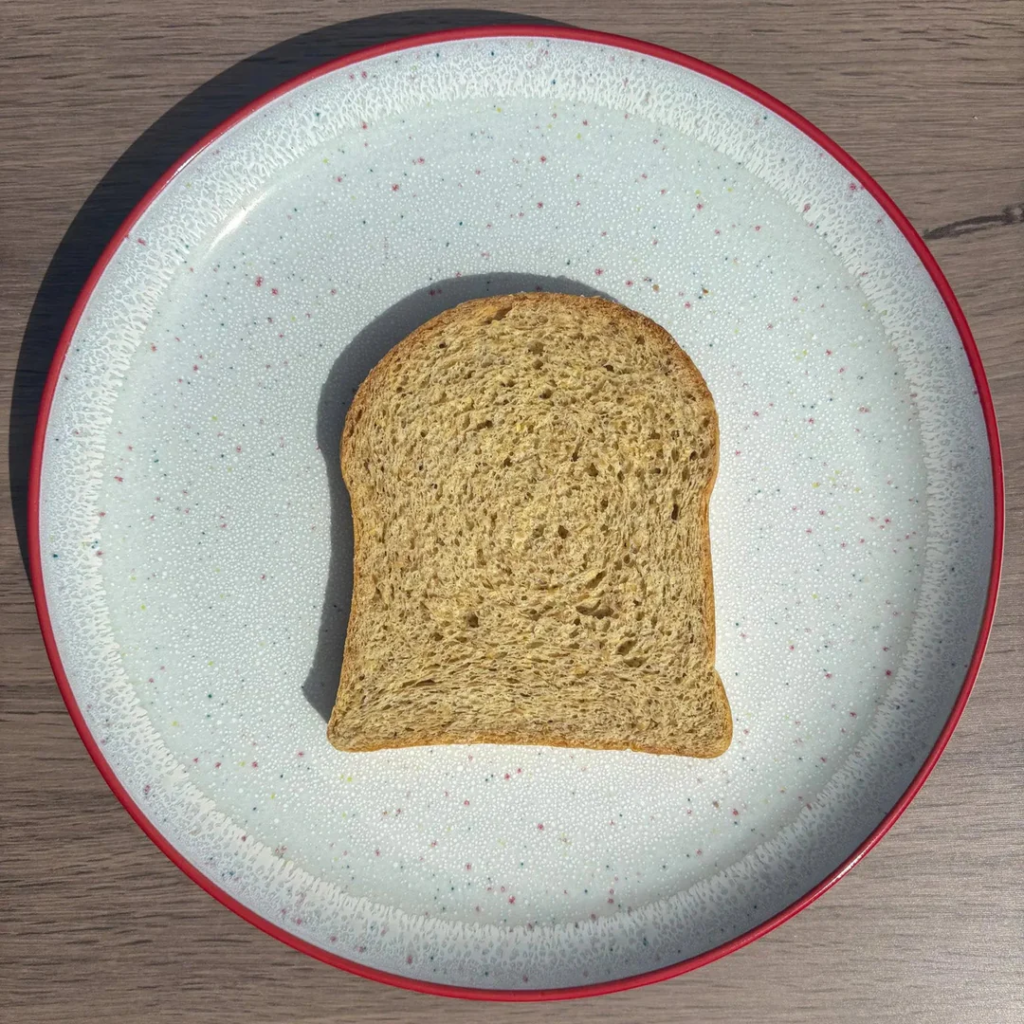
The Low-Carb Keto Bread Sliced Loaf seems designed for people who miss that normalcy. From the outside, it looks like an everyday loaf. But nutritionally, it lives in an entirely different category.
With less than 2% carbs, high protein, and high fibre, it offers an option for people who want toast in the morning without the mental gymnastics. It’s the kind of bread people talk about using for:
- Breakfast toast with butter or avocado
- Sandwiches that don’t feel like a “diet version”
- Grilled cheese moments that don’t end in blood sugar spikes
What’s particularly interesting is the feedback from customers managing diabetes. Multiple testimonials describe minimal or no blood sugar spikes after eating the bread, something that feels almost unbelievable to people used to watching numbers climb after a single slice of conventional bread.
This loaf doesn’t promise miracles. It simply offers consistency. And for many people, that consistency is life-changing.
The Case for Pizza That Doesn’t Derail Everything
Pizza is often the food people mourn the most when switching to low-carb living. It’s social. It’s indulgent. It’s tied to Fridays and family nights and shared plates.
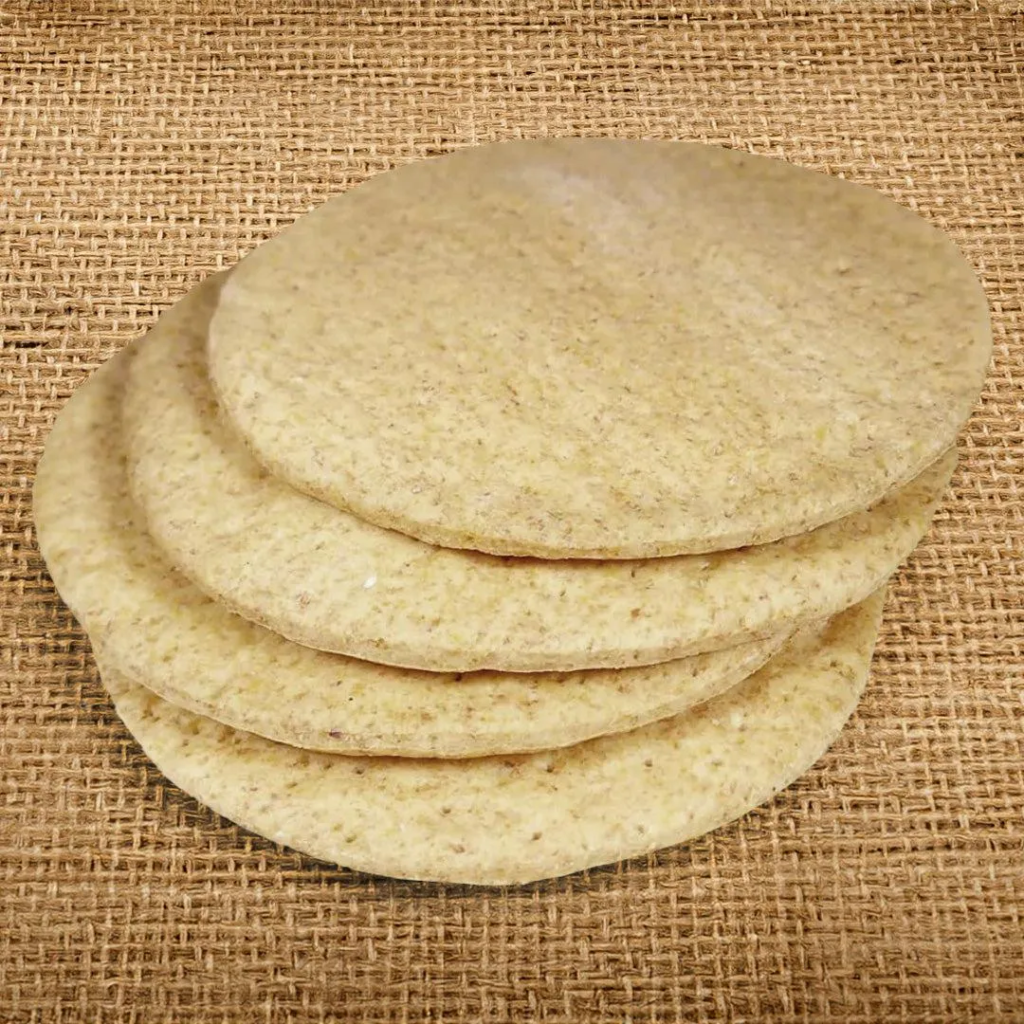
The Low-Carb Keto Pizza Base doesn’t try to reinvent pizza; it tries to preserve it.
With the same ultra-low carb profile as the rest of the range, the pizza base allows people to build meals that feel generous rather than restrictive. Tomato sauce. Cheese. Toppings chosen intentionally instead of fearfully.
It’s easy to imagine this base becoming a staple in households where one person is eating low-carb and everyone else just wants dinner to feel normal. No separate meals. No compromises. Just pizza that quietly fits the lifestyle.
Wellness Isn’t About Perfection, It’s About Reducing Stress
One of the most overlooked aspects of wellness is mental load. The constant calculation. The fear of “getting it wrong.” The exhaustion of reading labels and second-guessing meals.
Products like those from Low Carb Food Co. don’t just offer nutritional benefits; they offer relief.
When food feels predictable, life feels calmer. When bread doesn’t spike blood sugar, mornings feel less anxious. When pizza doesn’t derail ketosis, social moments feel safer.
That reduction in stress is, in itself, a wellness win.
Interesting Low-Carb Facts Most People Don’t Talk About
- Blood sugar stability affects energy, mood, and focus, not just weight.
- High-fiber diets support gut health and satiety.
- Ketogenic-friendly foods can help reduce inflammation in some individuals.
- Consistency matters more than perfection in long-term health changes.
Low-carb living isn’t about restriction for the sake of discipline. For many people, it’s about reclaiming energy, clarity, and control.
Why Brands Like This Matter More Than Ever
Low Carb Food Co. exists in the space between medical necessity and everyday life. It doesn’t market fear. It doesn’t promise shortcuts. It simply makes food that allows people to live more fully within the boundaries of their health requirements.
That distinction matters, especially in a wellness world that often feels loud, extreme, and exhausting. So many health-focused brands rely on urgency: do this now, cut everything out, transform your body in 30 days or else. But for people managing chronic conditions, there is no finish line. There is no “before and after” moment where the work ends. There is only real life, happening every day, with birthdays and busy mornings and shared meals.
For those managing chronic conditions like diabetes, these products aren’t indulgences, they’re tools. Tools that make it possible to eat with family, enjoy food, and participate in normal life without constant consequences. They remove the feeling of being “other” at the table. They soften the edges of restriction. They allow someone to make toast for breakfast without bracing for the aftermath, or say yes to pizza night without quietly opting out.
That sense of inclusion is deeply underrated. Food is rarely just fuel. It’s social glue. It’s care. It’s how people gather, celebrate, and feel connected. When health needs isolate someone from those moments, the emotional toll can be just as heavy as the physical one. Brands like this help close that gap.

There’s also something quietly powerful about consistency. Not the flashy kind, but the dependable kind. The kind where a product does what it says it will do, every time. Where blood sugar doesn’t spike unexpectedly. Where ingredient lists don’t change without explanation. Where trust builds slowly, meal by meal. For people whose health depends on predictability, that reliability can bring a sense of calm that’s hard to overstate.
And then there’s dignity. Low-carb living, when framed poorly, can feel like punishment. Like a list of things, you’re no longer allowed to have. What this brand seems to understand is that dignity matters. People don’t want replacements that scream “diet.” They want food that feels normal, familiar, and good enough to serve to anyone at the table.
That is not a small thing.
It’s the difference between merely managing a condition and actually living alongside it. Between constant vigilance and quiet confidence. Between feeling restricted and feeling supported.
In a world where wellness is often sold as perfection, brands like this remind us that health is more often about accommodation, care, and making life feel a little more possible. Sometimes, that looks like a loaf of bread that simply lets someone feel normal again.
Curiosity Is Often the First Step Toward Change
The person reading this may not be ready to overhaul their diet. They may not even know if low-carb living is for them. That’s okay.
Sometimes change begins with curiosity. By noticing what’s available. With learning that there are options that don’t require suffering or sacrifice.
Low Carb Food Co. doesn’t ask people to give everything up. It simply offers a way to keep some of the most loved foods like bread, pizza and comfort food while aligning them with better health outcomes.
And sometimes, finding out more really can change a life.
Not all at once.
Not dramatically.
But quietly, slice by slice.