


Nobody talks about the skincare guilt. The half-used serum sitting at the back of the shelf because it cost too much to throw away and does too little to keep using. The moisturizer bought on the strength of a friend’s glowing skin, which turns out to be genetics rather than anything in a bottle. The face wash that smelled like a dream in the shop has been a quiet disappointment in the bathroom ever since. We collect these things with the best of intentions and then spend years reaching around them to find the one product we actually believe in.
What nobody tells you is that the problem is rarely the person. It is almost always the product. And once that shift happens in your thinking, everything else starts to make a lot more sense.
This is the conversation that Hyssop Beauty Apothecary was built around. And once you hear it, it is very hard to go back to the noise.
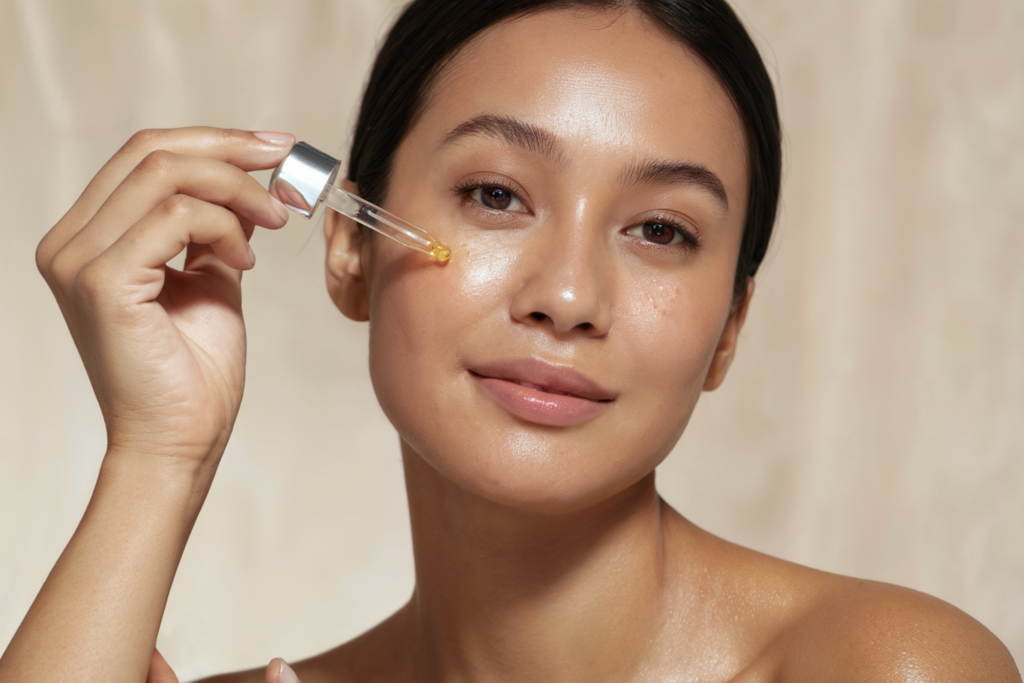
The Problem with Pretty Packaging
Here is something the beauty industry would rather you did not dwell on: the average skincare product contains ingredients that serve the manufacturer far more than they serve your skin. Synthetic stabilizers that extend shelf life. Cheap fillers that bulk out a formula, making it feel substantial in the hand. Fragrance compounds that make something smell luxurious without contributing a single thing to the skin underneath. The packaging is beautiful. The marketing is compelling. The ingredient list, if you squint at it under good lighting, tells a different story entirely.
Consumers have started noticing. Research shows that 60 percent of skincare users now read ingredient lists before committing to a purchase, and 84 percent say they will actively pay more for products that are transparent, clean, and made with their well-being in mind. The appetite for honesty in beauty has never been stronger, and the brands that cannot meet it are already feeling the pressure.
Mary Spinelli is the kind of founder who has thought about all of this far longer than most. Armed with a deep knowledge of botanical ingredients and a very clear idea of what she refused to compromise on, she built Hyssop Beauty Apothecary from the ground up, and the industry has been paying quiet attention ever since.
The Woman Behind the Apothecary
Before there was a product, there was a plant. Hyssop has been used for thousands of years across cultures that had very little in common with each other, but they agreed on this: that it cleanses, fortifies, and does exactly what it says it will. Mary Spinelli chose it as the name for her brand because it represented the standard that she intended to hold herself to. Not a standard borrowed from the beauty industry, which has a complicated relationship with honesty at the best of times, but one borrowed from nature, which does not really do marketing spin. Every ingredient in every Hyssop product has to justify its presence. Not on a trend report. Not on a mood board. On the skin of the person using it.
Her facility is based in Nutley, New Jersey, and in October 2025, growing demand prompted the brand to move into a significantly larger space at 196 High Street. But the expansion has not changed the way things are made. The oils are still hand infused. The hydrosols are still distilled on-site. Every batch is small enough to be inspected with real attention, because when you are producing thousands of units at a time, attention is the first thing to go.
It would be easy to gloss over the Reiki part of Mary’s story, and she would probably understand if you did. It arrived after the brand was already up and running, and the combination of botanical chemistry and energy healing is not readily explainable. What it actually changed was not the formulations. It was the relationship she had with making them. The understanding, now sitting at the center of everything Hyssop does, is that attention is not a soft concept. It is a practice. And a product made with it is a different thing entirely from one made without it, regardless of what either label says.
Her philosophy is to treat skincare as a ritual rather than a chore, and her customers feel this distinction without always being able to name it.
Two Products, No Clutter, Real Results
Hyssop does not offer fifty products because fifty products are not necessary. The range is focused and deliberate, and two formulations in particular have quietly developed the kind of following that no advertising budget can manufacture: the Hyaluronic Acid Serum and the Facial Oil.
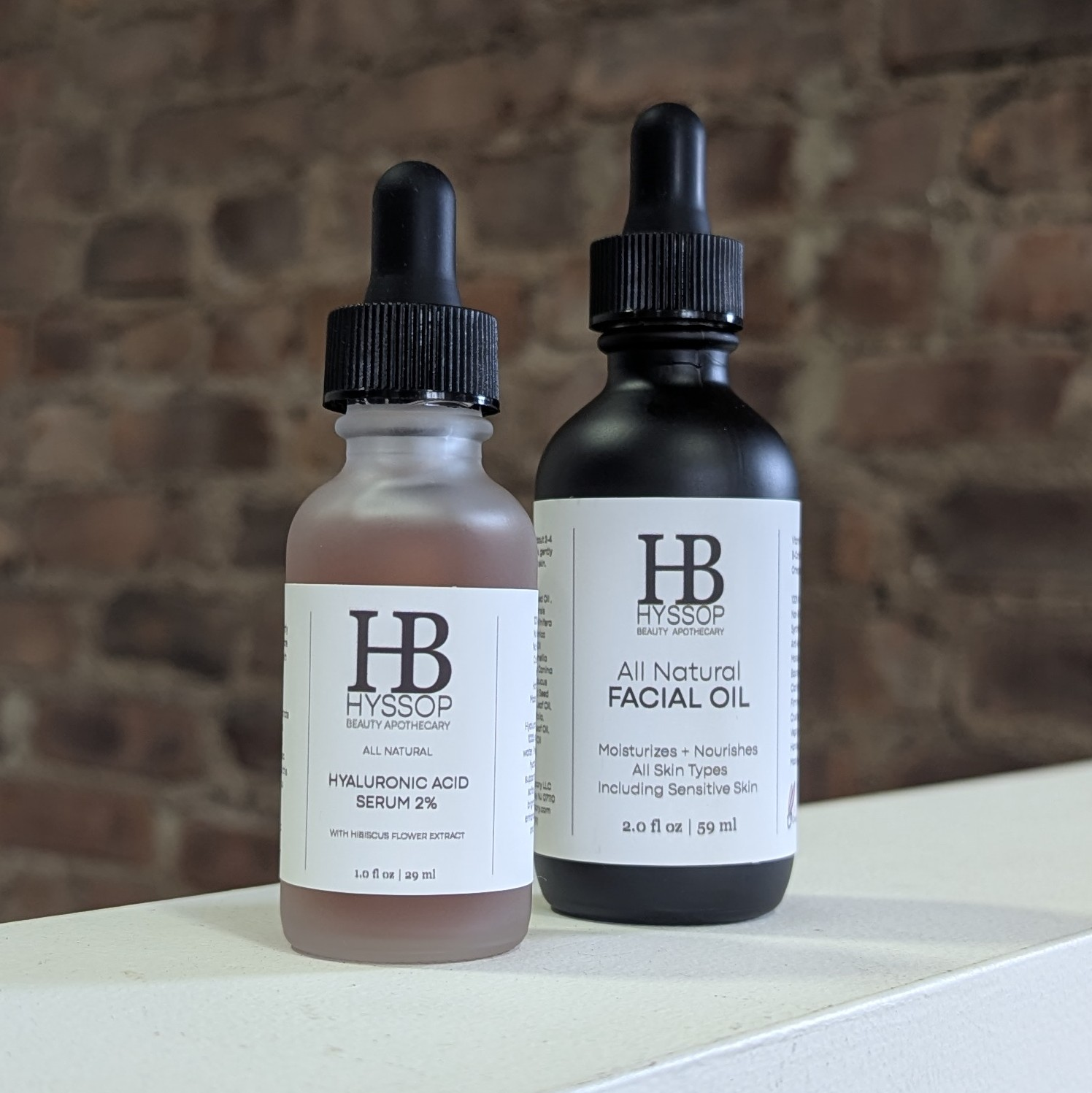
Starting with the serum. Hyaluronic acid has earned its reputation in skincare science because it is genuinely extraordinary at what it does. The skin produces it naturally, using it to retain moisture and maintain the plump, comfortable feeling of healthy skin. By the late twenties, production starts declining, and the skin begins to feel it: tighter, duller, somehow tired in a way that has nothing to do with sleep.
The difference between Hyssop’s serum and the dozens of hyaluronic acid products crowding the market is found not in the hero ingredient, which is widely available, but in everything surrounding it. There are no cheap fillers propping up the formula, no water added to make the bottle feel fuller than it is. Every component has a function. Produced in small batches, the serum reaches skin at peak potency, alive in a way that something mass-produced and sitting on a shelf for months simply is not. The skin absorbs it readily, and the effect is not a surface-level sheen but a settled, comfortable hydration that sits in the face rather than on it. By the time the rest of the morning routine is complete, there is a softness and a suppleness that is difficult to attribute to anything else.
The Facial Oil is a Different Kind of Convert-Maker
For anyone who grew up in an era when oil was the villain of every skincare conversation, a product with the word “oil” in the title can still trigger a reflex of suspicion. It is worth pushing past it. A well-crafted facial oil, made from botanicals with a long-established, well-studied relationship with skin health, does not behave the way the nineties warned you it would. It does not sit on the surface, it does not block pores, and it does not cause the breakouts that the old messaging promised were inevitable. What it does, particularly when the oils are hand-infused rather than standardized and replicated from a bulk source, is feed the skin at a level that water-based products cannot reach. It reinforces the skin’s own protective barrier, restores warmth and density to the complexion, and produces a glow that reads less as effort and more as health.
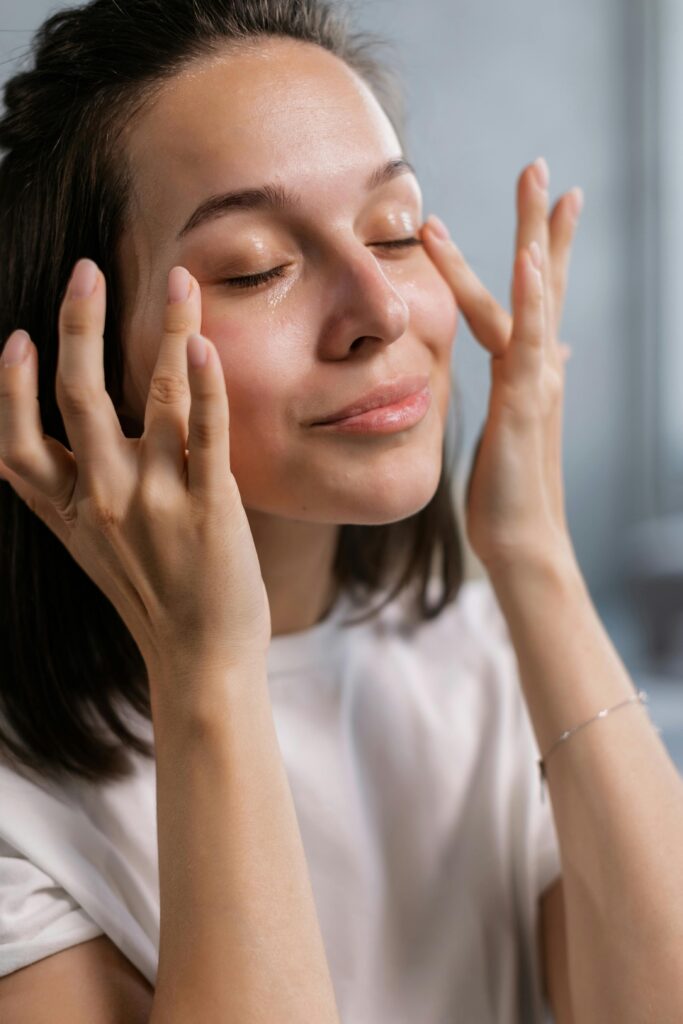
Used together, these two products create a morning ritual that takes under two minutes and delivers results that customers describe with the specific enthusiasm reserved for things that have actually surprised them. The serum first, to saturate the skin with moisture, then the oil to lock it in and add its own botanical intelligence. It is not a complicated system. It was never supposed to be.
Clean Is Not a Feeling; It Is a Standard
The word “clean” has been borrowed, stretched, and repurposed by the beauty industry to the point that it almost no longer means anything at all. A product can position itself as clean while still containing ingredients that a careful, experienced formulator would never allow in. The label has become a vibe rather than a guarantee, and consumers who have done their research know this.
At Hyssop, clean is a manufacturing standard with no asterisks. The brand is 100 percent cruelty-free and vegan-friendly; no animal testing occurs at any stage, and no animal-derived ingredients are used. Packaging defaults to recyclable glass because the story of a product does not end when the last drop is gone. A bottle buy-back program gives customers a route to return their empties, making the circular economy something the brand actually participates in rather than simply gestures toward in a mission statement.
The transparency extends to formulation, where every ingredient earns its place, or it does not appear. This sounds obvious. In practice, across the wider industry, it remains surprisingly rare.

Why This Matters More Than You Might Think
There is a growing body of evidence in wellness research suggesting that the rituals surrounding skincare, the deliberate pause, the sensory engagement with texture and scent, the act of taking a moment that belongs entirely to yourself, carry measurable benefits for mood and stress levels that go well beyond anything a single ingredient can claim. The routine is not incidental to the result. The routine is part of the result.